
Upon graduation from teachers college, I worked in international schools for 5 years. The travel bug bit me hard at that time, and I traveled a lot in my life BC (before children). Based on those experiences, I often thought that Hell would be an airport waiting lounge. The kind with horrible music played a little too loudly, only one place to get a stale bite to eat, cold tile floors, broken air conditioning and hard plastic chairs with immovable armrests preventing you from lying down.
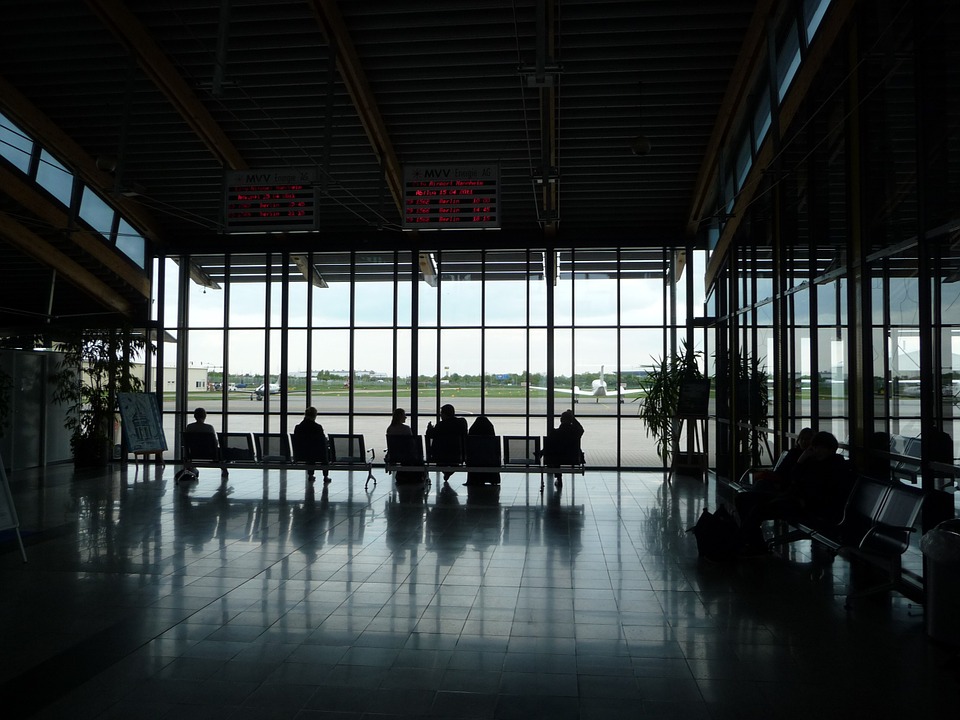
Another aspect of travel that makes it a bit of a personal hell for me is the constant ‘hurry up and wait’. Be there two hours early, rush to make it to the gate, but then sit and wait for hours because the plane is delayed or boarding is taking forever. After a panicked rush through stalled traffic in a cab, run to a dusty platform, then sit and wait, squatting on your backpack as a chair, for the local bus to come to take you to your next destination.
School leadership can be a lot like this. Hurry up and wait applies to my role as a school principal with great frequency. However, unlike travel glitches that happen to us, I like to be purposeful in my use of urgency vs. long term goal and action development. For me, understanding the balance between urgency and a patient plan is an important part of leadership.
There are times when urgency can and should be used to create engagement, quick outcomes and a general sense of action that make the work and school culture seem to have essential and critical importance. On other occasions, I want the work to seem ‘doable’ in its long term outcomes, with transparency, a clear vision, opportunities for feedback and collaboration. Then the eventual actions that will be undertaken by all can take time and be accomplished at one’s own pace. In either case, a strongly articulated vision, and providing my staff with a ‘why’ and ‘what’s in it for me’ is essential. Let me provide an example of a leadership challenge in the last year where both tempos applied.
Urgent leadership was required when our Vice Principals saw a significant rise in the number of student discipline incidents involving racist remarks and religious intolerance about a year ago. Hateful language and social media provocations were happening in and outside of classrooms in an increased frequency. The students and staff involved in these investigations consistently identified that we were experiencing an issue in our school culture.
I used an ‘urgent’ response to the situation to tackle the issue immediately while simultaneously reinvigorating our ongoing safe, caring and inclusive schools work. Myself and a Vice Principal quickly researched policy options, held short turnover meetings with my key influencers and decision makers within the school, and then designed and executed a new school policy with an eye-catching classroom poster, mandatory classroom roll-out and a school community communication plan. The policy clearly laid out value statements and the key responsibilities for the members of our school community. Overall: to value diversity and to firmly reject discrimination of any kind.

The patience part of this safe schools example was that I was fully aware that we were not changing hearts and minds with the mandatory implementation of a new equity policy. The real work takes time, growth, capacity amongst staff, and a cyclical process to make a real difference to the school climate.
The urgent response filled the need of defining ‘right’ and ‘wrong’ and making our values clear as a school community. Building empathy, compassion, and breaking down barriers for marginalized students in the long-range plan that will take time and patience.
Over the next year we established a student voice ‘roundtable’, developed and delivered staff PD, held our first Black History Month, had our first Pride week, and we just completed our first Mental Health and Well being week this May. We continue to resource and re-invigorate our school teams to study our perceptual data and engage students, parents and staff in determining new actions that demonstrate our commitment to making the words on that inclusion and equity policy ring true to the student’s experience. This will continue for many years.
I’ve purposefully selected a hurry-up-and-wait scenario that was a top down response to illustrate leadership sometimes requires us to step up and lead the change. However, this approach is just as true for initiatives and school solutions that come to us in a grassroots manner. We can empower, provide permissions, designate resources and give of our time in a way that allows for our students and staff who want to lead a change to have the same principle apply.
A quick burst of action, allocation of resources and decision making, followed by patient improvements, capacity building and cyclical reflections can yield amazing things. Much better than the airport waiting lounge!


 The Pensive Principal
Excellent read Pensive Principal! I liked the scenario that you explained in detail and how you implemented it at your school.
LikeLike
Great read! Thank you for sharing your insights 🙂
LikeLike